
Creativity, Inc.
Good to Great
Building a Second Brand
The Lean Startup
Blue Ocean Strategy
Leaders Eat Last
The Innovator's Dilemma
Thinking, Fast and Slow
Lean In
The Power of Habit
Four Thousand Weeks
The 5AM Club
Crucial Conversations
The Infinite Game
Never Split the Difference
The First 90 Days
Creativity, Inc. Good to Great Building a Second Brand The Lean Startup Blue Ocean Strategy Leaders Eat Last The Innovator's Dilemma Thinking, Fast and Slow Lean In The Power of Habit Four Thousand Weeks The 5AM Club Crucial Conversations The Infinite Game Never Split the Difference The First 90 Days
Keep your mind fresh with summaries of the best business books
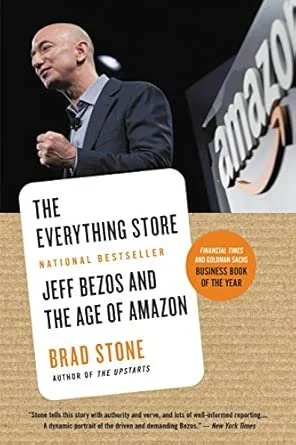
The Everything Store
In The Everything Store, Brad Stone provides the definitive, unvarnished history of Amazon and its relentless founder, Jeff Bezos. Stone reveals how Amazon grew from a scrappy online bookstore into a global juggernaut by relying on a deeply contrarian playbook. By prioritizing extreme customer obsession, decades-long strategic thinking, and a famously ruthless corporate culture, Bezos proved that prioritizing long-term market dominance over short-term profits is the ultimate competitive advantage.
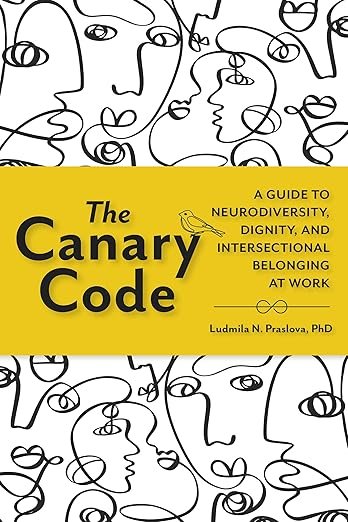
The Canary Code
In The Canary Code, organizational psychologist and autistic community member Ludmila N. Praslova provides a comprehensive framework for neuroinclusion at work. She argues that neurodivergent employees are like canaries in a coal mine, sensing toxic environments and broken workflows first. By shifting from a deficit model to a dignity-based approach built on six core principles, organizations can create flexible, transparent systems where all talent thrives.
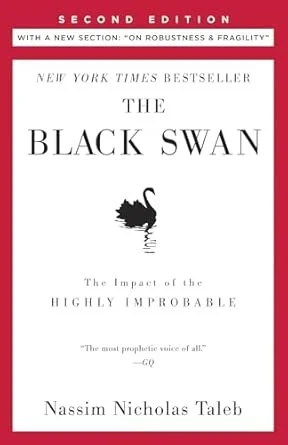
The Black Swan
In The Black Swan, former options trader and philosopher Nassim Nicholas Taleb exposes the severe limitations of human prediction. He argues that history is driven not by predictable trends, but by highly improbable, high-impact events he calls Black Swans. By abandoning flawed bell-curve risk models and adopting a robust "barbell" strategy, professionals can stop acting like the Thanksgiving turkey and learn to survive in an inherently unpredictable world.
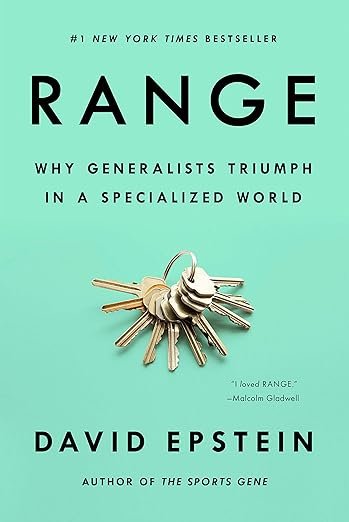
Range
In Range, journalist David Epstein challenges the pervasive cult of the head start. While early specialization is highly effective in predictable fields with rigid rules, the modern economy is fundamentally unpredictable. Epstein argues that generalists—professionals who sample widely, delay committing to a single path, and draw analogies across diverse disciplines—are uniquely equipped to thrive. By embracing a broad, winding path, you build the creative agility required to solve complex problems.
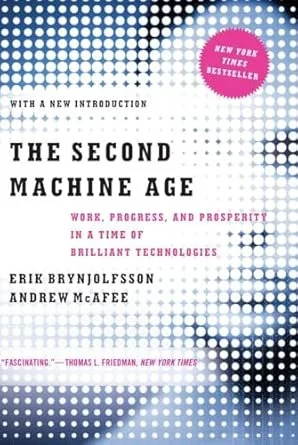
The Second Machine Age
In The Second Machine Age, MIT researchers Erik Brynjolfsson and Andrew McAfee explain how digital technologies are doing for human brainpower what the steam engine did for muscle power. While this era promises unprecedented abundance, it also creates severe economic inequality by hollowing out routine jobs. To thrive, professionals must stop competing against computers and learn to race alongside them by mastering ideation, complex communication, and large-frame pattern recognition.
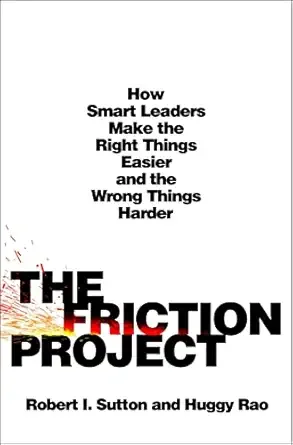
The Friction Project
In The Friction Project, Stanford professors Robert I. Sutton and Huggy Rao provide a practical guide to identifying and managing organizational drag. They argue that skilled leaders act as "friction fixers," aggressively eliminating the bad friction that wastes time, while intentionally introducing good friction to prevent reckless decisions. Master these principles to cure addition sickness, protect your team's time, and build a highly productive workplace.
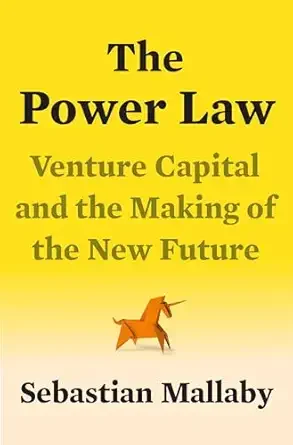
The Power Law
In The Power Law, journalist Sebastian Mallaby tells the history of venture capital and the math that drives it. Returns are not normally distributed. A small number of wild successes dominate everything else, which forces investors to chase asymmetry, build soft moats like brand and network, and stay in the game across cycles. Practical reading for anyone allocating capital under high uncertainty.
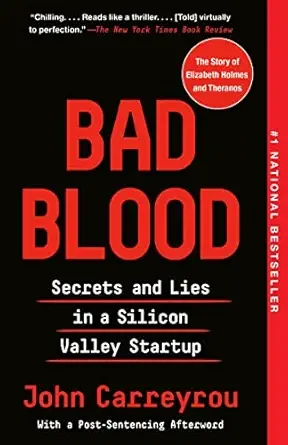
Bad Blood
In Bad Blood, journalist John Carreyrou reconstructs the rise and fall of Theranos, the blood-testing startup that promised a medical revolution and delivered systematic fraud. The book is the definitive account of how a fake business reached a $9 billion valuation and the governance, investor, and regulatory failures that let it happen. Required reading for board members, investors, and anyone responsible for diligence.
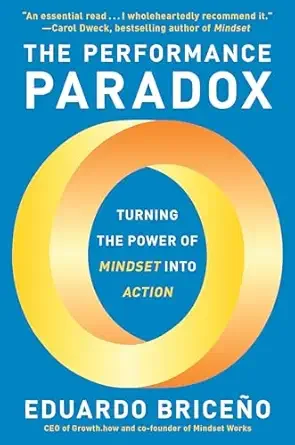
The Performance Paradox
In The Performance Paradox, executive coach Eduardo Briceño exposes why high performers eventually plateau: they spend all their effort executing and none of it improving. His remedy is a deliberate split between the Performance Zone, where you do what you know, and the Learning Zone, where you build what you don't. Master the rhythm between them and growth stops being accidental.
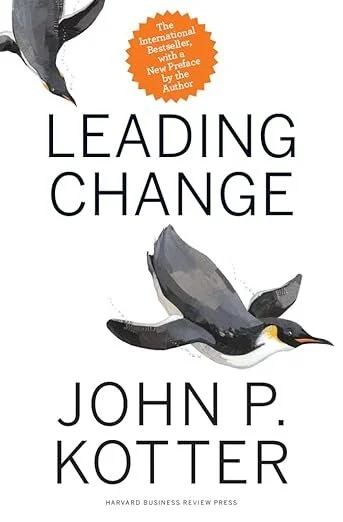
Leading Change
In Leading Change, Harvard professor John P. Kotter lays out the eight-step framework that has defined modern change management. Drawing on decades of research across hundreds of organizations, he reveals why most transformation efforts fail and exactly what leaders must do to beat those odds. From building urgency to anchoring new behaviors in culture, this book remains the go-to guide for anyone leading meaningful change.
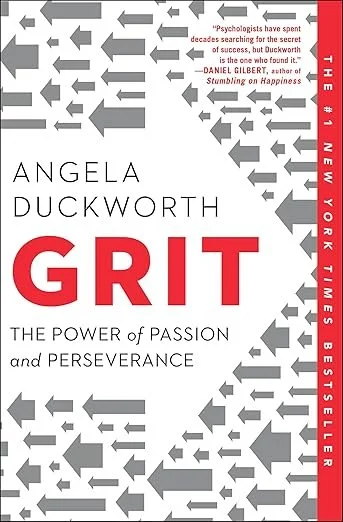
Grit
In Grit, psychologist Angela Duckworth draws on years of research with West Point cadets, spelling bee champions, and top performers to argue that passion and perseverance, not raw talent, drive extraordinary achievement. She lays out the four assets of gritty people, interest, practice, purpose, and hope, and shows how to build them at any age. A clear, evidence-backed guide to turning long-term effort into lasting success.
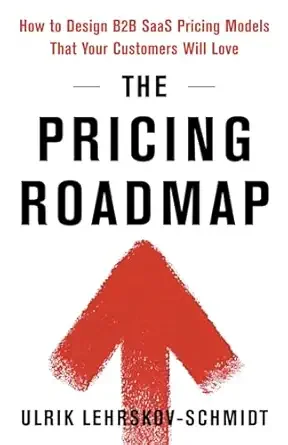
The Pricing Roadmap
In The Pricing Roadmap, B2B SaaS pricing expert Ulrik Lehrskov-Schmidt turns hundreds of real-world redesigns into a step-by-step framework for building pricing that grows revenue without torching customer trust. He shows why structure beats price points, how fencing and laddering shape commercial outcomes, and how to pick metrics, validate changes, and raise prices with confidence. Essential reading for any SaaS operator tired of guessing.
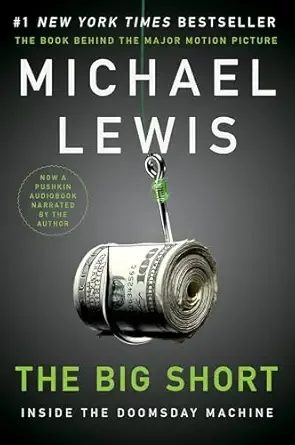
The Big Short
In The Big Short, journalist Michael Lewis tells the story of a handful of investors who saw the 2008 housing crisis coming and bet against the mortgage bond market. The book uses their stories to explain how subprime lending, credit default swaps, and rating agency failures produced the financial crisis. Useful reading for any finance professional trying to understand how markets get things spectacularly wrong.

Elon Musk
In Elon Musk, biographer Walter Isaacson follows the SpaceX and Tesla CEO with extensive access over two years, including through his acquisition of Twitter. The book presents an unvarnished portrait of a leader whose drive produces extraordinary engineering achievements alongside significant personal and organizational damage. Worth reading for anyone trying to understand modern technology leadership in its most polarized form.
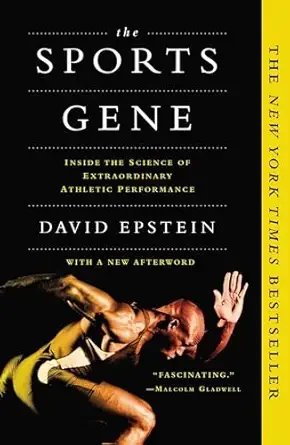
The Sports Gene
In The Sports Gene, journalist David Epstein challenges the popular myth that 10,000 hours of practice is the universal key to greatness. Through stories from Kenyan villages, Jamaican sprint clubs, and elite genetics labs, he reveals how body type, trainability, and specific genes shape who reaches the top. The verdict on nature versus nurture is clear: it is always both, working together.
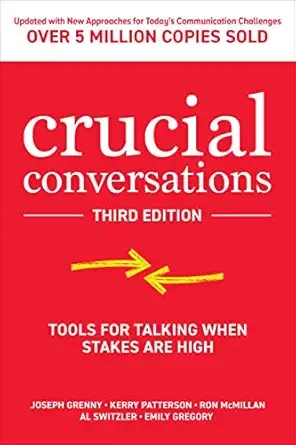
Crucial Conversations
In Crucial Conversations, authors Kerry Patterson, Joseph Grenny, Ron McMillan, and Al Switzler provide a practical framework for mastering high-stakes, emotional dialogue. They argue that successful communication depends on maintaining a safe "pool of shared meaning." By learning to manage your internal stories, restore mutual respect, and speak persuasively without being abrasive, you can resolve deep conflicts and turn volatile disagreements into productive action.
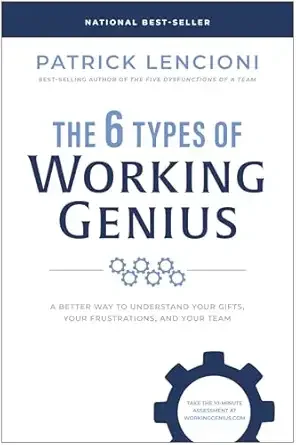
The 6 Types of Working Genius
In The 6 Types of Working Genius, organizational expert Patrick Lencioni offers a practical framework to help individuals and teams discover what brings them joy and what drains their energy. By identifying six fundamental types of work—from initial wonder to final execution—Lencioni provides a roadmap for aligning natural talents with daily tasks, ultimately eliminating unnecessary judgment and transforming workplace productivity.
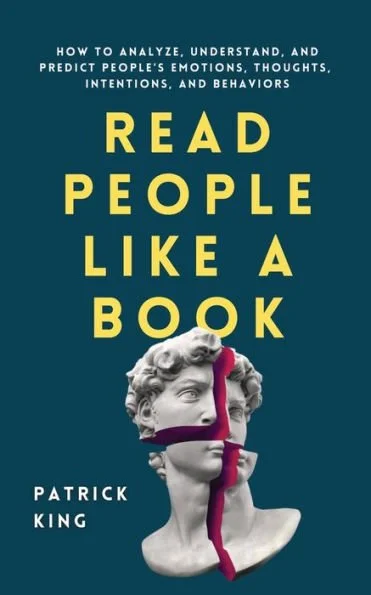
Read People Like a Book
Stop guessing what people are thinking. Read People Like a Book provides a systematic framework for understanding human behavior by analyzing motivations, decoding body language, and interpreting verbal cues. This guide moves beyond simple tips, teaching you how to establish baselines and spot inconsistencies to accurately predict intentions and build stronger connections. It's an essential skill for any professional looking to improve their negotiation, leadership, and communication abilities.
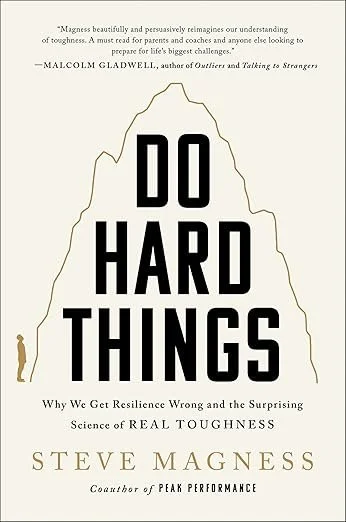
Do Hard Things
In Do Hard Things, performance coach Steve Magness challenges the traditional "grin and bear it" model of toughness, arguing that suppressing emotion actually leads to fragility. Backed by neuroscience and psychology, he proposes a new framework for resilience based on facing reality, listening to the body's signals (interoception), and responding thoughtfully rather than reacting impulsively. True toughness isn't about ignoring discomfort; it's about navigating it with clarity and purpose.
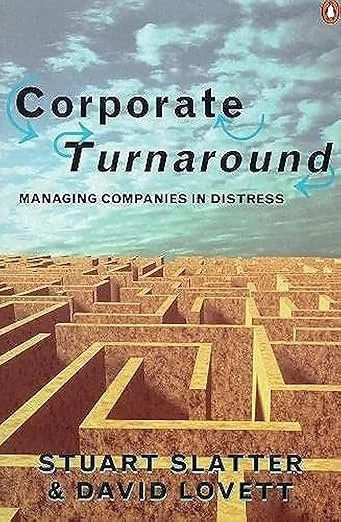
Corporate Turnaround
In Corporate Turnaround, Stuart Slatter and David Lovett provide a rigorous framework for rescuing companies from the brink of insolvency. They argue that management denial is the primary cause of failure and that recovery requires immediate crisis stabilization, where cash is prioritized over profit. By replacing leadership, strictly managing stakeholders, and implementing a "shrink to